A Cat-Safe Guide to Sending Flowers: Key Points
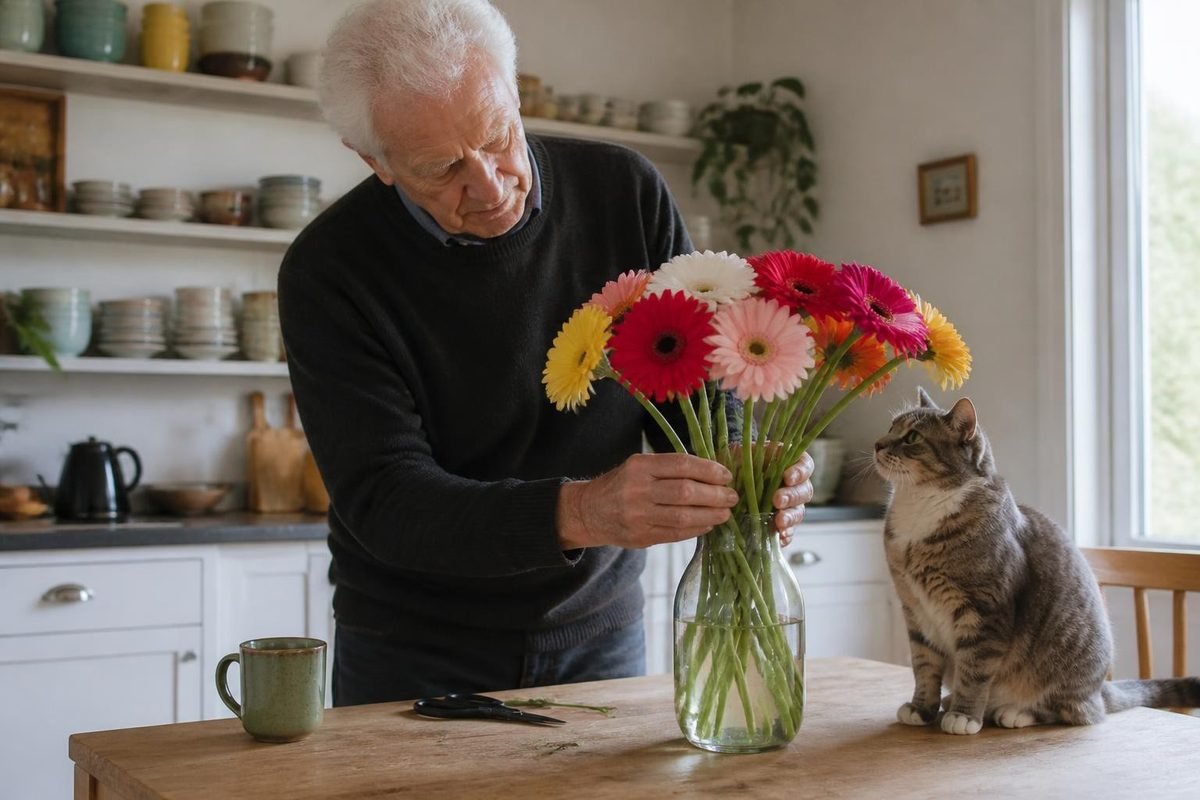
If you are sending flowers to someone with a cat, leave out lilies, daylilies, tulips, daffodils and chrysanthemums. Lilies and daylilies are the most serious concern, since even a small amount of contact can lead to severe kidney damage.
Why lilies are a serious risk
True lilies and daylilies are highly dangerous to cats. The group includes Easter lilies, Asiatic lilies and many varieties sold as oriental lilies. All parts of these plants can be harmful: petals, leaves, pollen and even the water in a vase.
A cat does not need to bite a flower to be exposed. Pollen may land on its fur after it brushes against a bloom, then enter its mouth as it grooms. Putting lilies on a tall shelf or in a room the cat can access does not make the arrangement reliably safe.
Names can be confusing: peace lilies and calla lilies are not true lilies and do not belong to the same group. Still, they can irritate a cat’s mouth and trigger drooling or vomiting, so it is best not to include them in a gift for a cat household.
Other blooms to skip
Tulips and daffodils are also toxic to cats. The bulbs hold especially high concentrations of harmful substances, though the flowers and other parts of the plants can cause trouble too. A cat may tug at a stem or sniff and lick a fallen petal from a spring bouquet left on a counter.
Keep chrysanthemums out of the arrangement as well. If a cat eats one, possible signs include vomiting, diarrhea and drooling. These flowers are also commonly called mums, so ask about every flower in a mixed bouquet instead of checking only its most noticeable blooms.
Putting together a more cat conscious gift
Roses, gerbera daisies and orchids are generally considered non toxic to cats. Gerbera daisies can make a colorful choice without the particular danger posed by lilies. However, eating plant material of any kind may upset a cat’s stomach, and rose thorns can injure it.
Ask for the name of each flower and each stem of foliage. Filler flowers and greenery are not automatically safe. If the cat might drink from the vase, leave out floral preservatives, and recommend setting the bouquet somewhere the cat cannot knock it over.
Steps to take after possible contact
If you think a cat has touched or ingested a lily or daylily, call a veterinarian or an animal poison control service right away. Do not wait for signs of illness to appear. Getting help early is important, and the veterinarian can explain what to do next.
For possible contact with another plant, get in touch with a veterinarian promptly and identify the flower if you can. Save the plant or take a photo to help with identification. Do not make the cat vomit unless a veterinarian directs you to do so.
Common questions about cats and flowers
Can lily pollen make a cat ill?
Yes. A cat can swallow pollen from its coat while grooming, and this exposure may cause severe kidney injury.
Are dried lilies all right to send?
No. Dried lilies should also be kept away from cats, just like fresh lilies.
Can cats be around roses?
Roses are generally non toxic, but their thorns can hurt a cat, and chewing plant matter may upset its stomach.
What should I do if I do not know a flower’s name?
Ask the florist to identify it before you send the bouquet. If the cat has already had contact with it, call a veterinarian and provide a photo if possible.
On the same subject: getting the delivery date right